From VQGAN to v7
I have been generating AI images since the VQGAN and CLIP era. You needed a PhD in parameter tweaking to get something that resembled the request. Making anything commercially usable was basically impossible.
Four years and roughly 50,000 generated images later, Midjourney v7 does things that would have been science fiction in 2021. I have tested it since its July 2025 release. This is a shift in what product photography workflows can do, not just an incremental improvement.
I am sharing techniques from my testing, the limits people skip, and business uses I have generated and tested. Thousands of hours with VQGAN parameters, Stable Diffusion inconsistencies, and Midjourney from v1 through v6 teach you how models behave. You learn what prompts do, what they are supposed to do, and the tells that identify an AI image.
Each model has a personality. VQGAN was chaotic and abstract. Stable Diffusion was powerful but temperamental. Midjourney v6 was artistic but unreliable for commercial precision. V7 understands commercial photography conventions in ways earlier versions did not.
Its lighting follows physics more often. Shadows fall correctly, reflections appear where they should, and color temperature stays consistent. Fabric looks like fabric. Metal reflects properly. Glass has transparency and refraction. The plastic look is mostly solved. V7 also applies rule of thirds, leading lines, and depth of field without being told. Product labels and text elements are readable and integrated for the first time.
The product workflow
My starting prompt is: commercial product photography, a specific product, isolated on a seamless white background, studio lighting with a softbox setup, shot with an 85mm lens at f/8, professional e-commerce quality, --ar 4:3 --v 7 --style raw --q 4. V7 was trained on a massive amount of product photography. Industry terms trigger the right visual references.
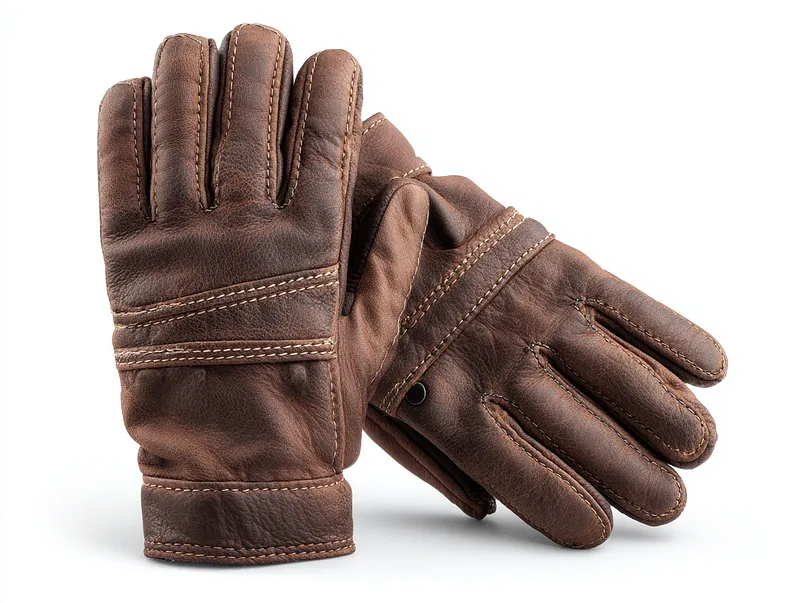
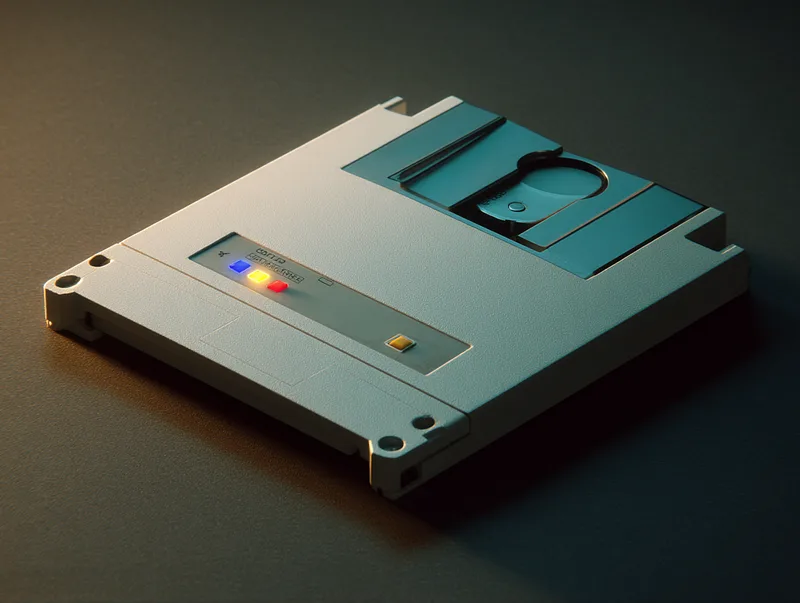
After hundreds of products, I use material-specific language. For electronics, ask for clean tech product photography, surface reflections, visible LED indicators, a gradient background, controlled studio lighting, and no harsh shadows.
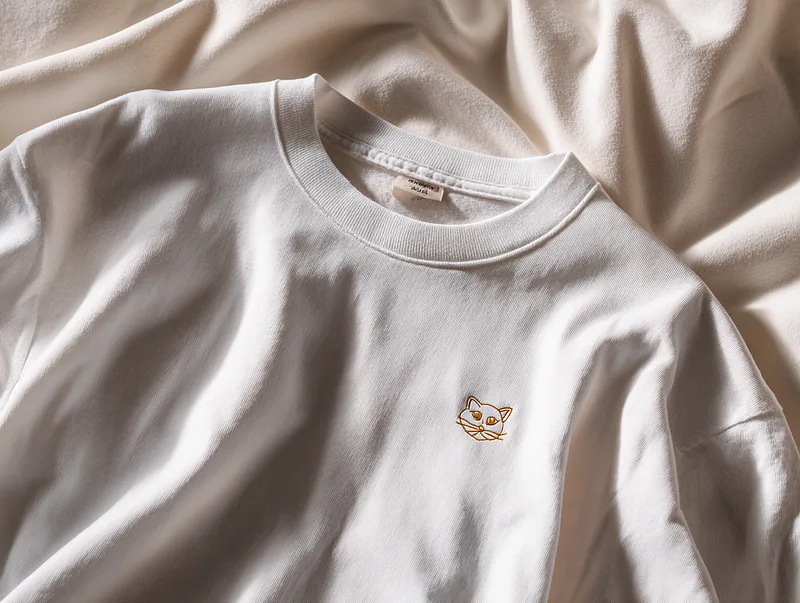
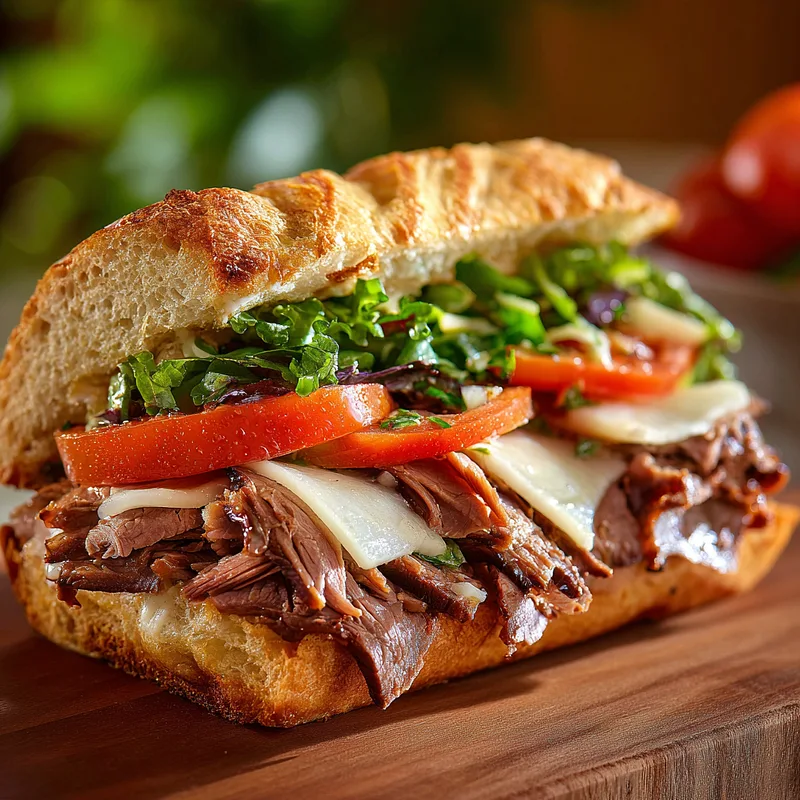
For textiles, name the fabric drape, directional light that shows texture, minimal shadows, and a white seamless background. For food, ask for professional food photography, presentation, window light, shallow depth of field, a neutral surface, and warm color grading.
For a catalog, use the same seed across related products. It creates a cohesive look.
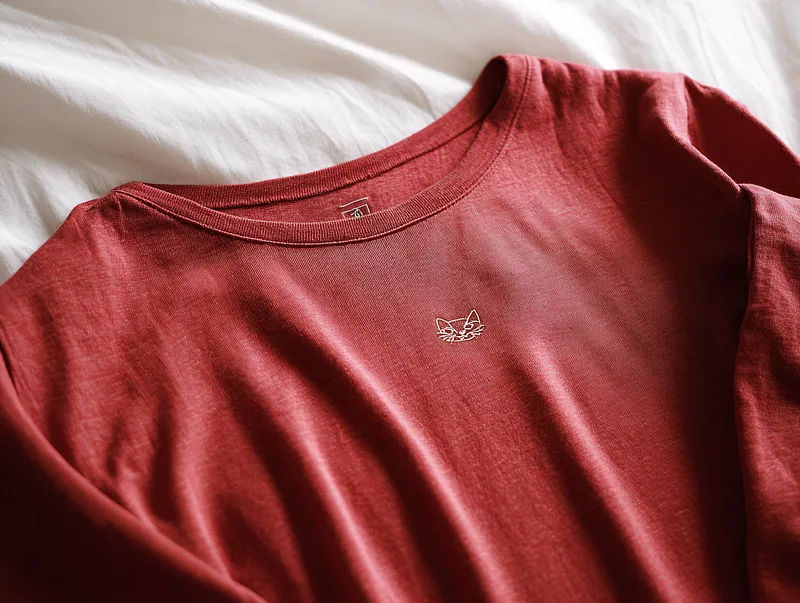
I also prefer this type of result at times. Style Weight, or --sw, runs from 1 to 100. One is the subtlest influence and 100 is extreme. My sweet spot is 1 to 15. Yours may differ.
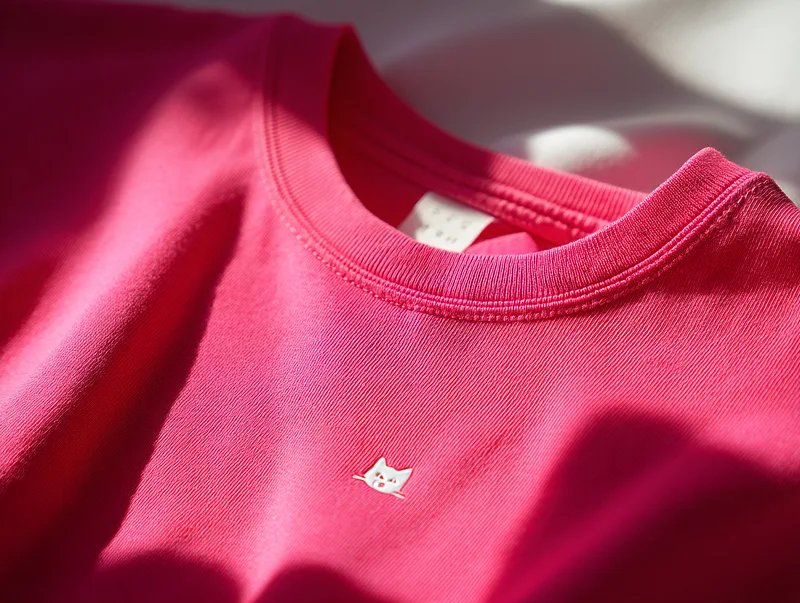
Use Nano Banana by Google when you need this job. I never figured this one out. Nano Banana is new and made for it. You can use Midjourney images you like and get multiple angles or people wearing the product.
Test results and limits
I generated hundreds of product shots with different approaches. Simple electronics gave 85% usable results. Flat-lay clothing gave a 90% success rate. Food and beverages gave 75%, because lighting is tricky. Jewelry gave 60%, because reflections are hard. Complex machinery gave 40%, because there are too many details to get right.
Resolution is consistently 1024 by 1024 or higher. Detail is sharp enough for e-commerce zoom. In more than 80% of cases, the result passes casual inspection as a professional image.
There are limits. Complex labels and detailed text still fail about 30% of the time. Several products in one composition often have scale or perspective problems. Chrome, mirrors, and polished metal can reflect impossible environments. Products with many small parts or intricate mechanisms rarely come out accurately.
For a small-batch catalog, I can generate 10 to 30 product variations in a consistent style in two to three hours. The output is professional enough for most e-commerce uses. Clothing, accessories, simple electronics, and food work best.
For social content, generate base product shots, then make lifestyle versions. I can make 20 to 30 social-ready images per hour. I have tested the engagement results myself and am not making up metrics. Seasonal work is another use: change a base prompt with seasonal elements for holiday food photography or clothing displays.
For maximum detail, use --v 7 --style raw --q 2. For consistent branding, use --seed [fixed number] --style raw --v 7 --q 2. For exploration, use --chaos 15 --v 7 --q 2. Higher chaos often breaks the commercial look. Use --ar 4:3 for e-commerce. Use --ar 4:5 for Instagram posts or --ar 16:9 for stories. Print uses --ar 4:3 or --ar 3:4 depending on the layout.
Quality control and the future
After tens of thousands of images, I spot AI content instantly. Check physics first: do shadows, reflections, and light make sense? Check materials: do surfaces fit their material? Check proportion: are objects scaled correctly? Then inspect fine detail for clean rendering or mush.
Watch for shadows that disagree with the light, reflections with impossible environments, and objects that defy gravity or perspective. Watch for surfaces that are too perfect or plastic, textures that do not behave naturally, and material properties that are wrong. Awkward cropping, disconnected elements, and bad proportions also give the image away.
Midjourney Pro costs $60 a month. Traditional product photography costs $100 to $300 per product. Do not use AI for legal or medical products that need perfect accuracy, luxury goods where perfection is expected, complex technical products with many small details, or work that needs perfect text reproduction. Use it for simple-product e-commerce catalogs, social content, concept images and mockups, and seasonal variations.
The skill that transfers forward is rapid adaptation to new AI capabilities. Each model update needs new prompting strategies. Decoding new behavior is more valuable than expertise in one version.
AI will not replace all professional photography. That is unrealistic. It gives decent commercial visuals to businesses that could not afford professional shoots. The gap between AI and professional photography is narrowing, but composition, brand consistency, and quality control still need human expertise. The technology moves fast. Success still needs experimentation, pattern recognition, and an understanding of what works in practice instead of what sounds good in theory.
Related walls
Published here first. This one never made it to Medium.